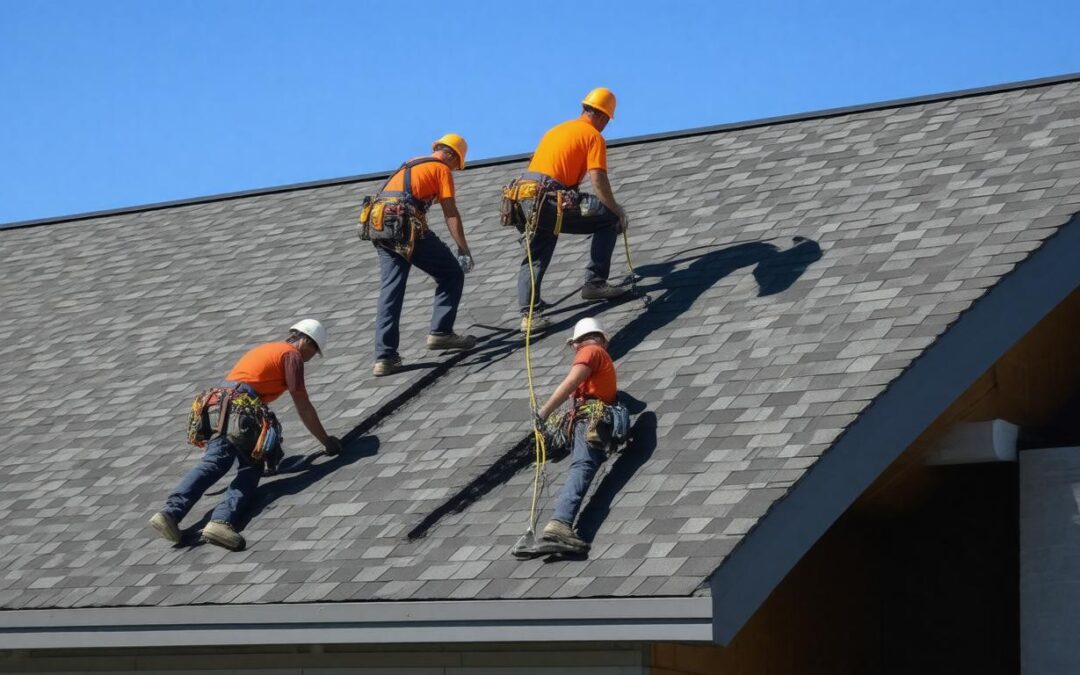
Roof leaks are more than just a drip or two—they can quickly cause big problems if not caught early. In San Antonio, where sudden storms and changing weather put extra strain on roofs, knowing how to spot and fix leaks fast is key to keeping your home safe and dry. This guide walks you through what causes roof leaks, how to find them, and why calling local experts like DV Roofing can save you time, money, and stress in the long run.
For reliable roof leak repair services in San Antonio, you can trust DV Roofing, a family-owned company with over 28 years of experience serving the area. We offer prompt, high-quality repairs using top-grade materials and provide free no-obligation roof inspections to accurately assess and resolve your roofing issues efficiently.
Identifying Roof Leaks
Roof leaks often originate from familiar weak points—damaged shingles torn loose by wind, cracks in flashing that seals joints, or worn-out sealants around chimneys, vents, and skylights. Although these spots might seem minor, they serve as entryways for water that can quietly infiltrate your home.
Keep in mind that even a small missing shingle can allow enough water to cause significant damage over time. The age of your roof also matters; materials naturally degrade, making certain areas more vulnerable as years pass.
With these common trouble spots identified, it’s critical to know how these leaks reveal themselves inside your home.
Indoor Signs
When moisture slips through your roof, it doesn’t always deliver an immediate flood. Instead, it often leaves subtle clues first—water stains spreading across ceilings or walls with irregular shapes and shades of brownish-yellow. You might notice paint peeling or wallpaper bubbling as the adhesives fail from being dampened repeatedly.
These indoor symptoms are like warning flags waving to alert you something above is off. However, they don’t tell you exactly where the problem lies on your roof; they only prove water has found its way inside.
To pinpoint the leak’s position more precisely, examine the attic—your roof’s hidden battleground.
Attic Inspection
Checking the attic is one of the most reliable ways to locate the source of a leak. Ideally, this inspection happens during or right after rainfall when the leak is actively seeping in.
Watch for wet insulation mats that feel damp or heavy against your touch since moist insulation loses effectiveness quickly and can foster mold growth. Look beyond obvious water spots; mold or mildew clustering on wood beams and rafters often signals chronic leakage. Even a faint drip sound can indicate where water penetrates the roofing layers.
Sometimes flashlight scanning across rafters will help catch glistening droplets or dark stains not visible from below. Keep in mind that water travels along rafters or wiring before dropping into open spaces—it doesn’t always fall straight down from the source of entry.
Regular inspections like these, especially following storms common to the San Antonio area, can prevent minor leaks from escalating into costly structural repairs.
At DV Roofing, we understand Texas weather and how swiftly hail or wind can damage your roof unexpectedly. Our experts provide 24/7 emergency services anywhere in San Antonio and surrounding areas—including Helotes, Boerne, Schertz, and beyond—to thoroughly inspect and identify even elusive leaks before bigger problems develop.
If you suspect a leak but aren’t sure where it’s coming from, give us a call at 210-556-4402 or visit DV Roofing for a free inspection.
Our family-owned team brings 28 years of trusted expertise right to your doorstep—because protecting your home starts with precision in identifying the problem early.
Understanding how leaks manifest paves the way to recognizing broader signs of roof damage that could threaten your property’s integrity.
Signs of Roof Damage
Spotting damage on your roof isn’t always straightforward, but learning to identify certain telltale signs can save you from costly repairs down the road. One of the most obvious indicators is missing or cracked shingles. When shingles are broken or gone, it leaves your roof vulnerable to water infiltration, which can quickly lead to leaks inside your home.
Over time, exposure to sun, wind, and storms breaks down roofing materials, so noticing these signs early lets you schedule timely repairs.
Another red flag to watch for is sagging areas on the roof. This usually signals structural issues such as rotting wood or compromised support beams beneath the shingles. Sagging not only affects your roof’s appearance but also its ability to protect your home from the elements—ignoring it can mean dangerous collapses if left unaddressed. It’s a sign that professional help is needed promptly.
Then there’s the issue of rusty or cracked flashing, those thin strips of metal installed around chimneys, vents, and skylights to prevent water leaks. Flashing often goes unnoticed until it starts failing because it’s tucked away out of sight. When rust or cracks appear here, water can seep in underneath your roofing layers and cause hidden damage that spreads swiftly.
You might also discover granules in your gutters during routine cleaning—small grains that come off asphalt shingles. While some granule loss is normal over many years, a sudden increase means your shingles are deteriorating faster than they should. These granules protect shingles from UV rays and weather damage; without them, shingles become brittle and prone to cracking or breaking off altogether.
Lastly, look out for algae or mold growth on your roof surface. Dark streaks or patches may seem merely aesthetic at first glance, but they signify trapped moisture that encourages decay and weakens roofing materials over time. Algae doesn’t just damage roofing; it can harbor diseases harmful to plants and pets around your home as well.
Understanding these signs helps you grasp not just the what but the why: each symptom reveals a different stage or type of damage needing tailored repair approaches. For instance, replacing missing shingles might be a quick fix, while sagging sections could require reinforcing rafters or replacing rotten decking boards inside the roof structure.
Budget-wise, addressing small problems like rusted flashing early often costs significantly less than full-scale repairs caused by ignored leaks spreading water damage into attic insulation or even electrical wiring. That’s why regular inspections—especially after Texas storms common in the San Antonio area—are crucial in spotting problems before they escalate.
Homeowners should combine self-checks with professional roof inspections at least once a year. Experts like those at DV Roofing bring trained eyes that catch subtle signs easy to overlook and apply specialized repair techniques backed by decades of experience serving Texas communities from Austin to Corpus Christi.
“Small issues spotted earlier not only preserve your roof’s lifespan but also protect your entire home’s value,” explains one of DV Roofing’s seasoned technicians. Their BBB A+ rating isn’t accidental—it reflects commitment to quality upkeep and emergency services when unexpected damage strikes.
Armed with this knowledge about roof damage signs, you’ll be better prepared to take swift action—protecting not only your investment but ensuring peace of mind during Texas’ most unpredictable weather seasons.
Regular monitoring keeps minor wear from turning into major headaches, making all the difference between affordable maintenance and costly replacements.
With these warning signs in hand, knowing how to respond becomes the next vital step. We now move forward to explore practical and effective methods for tackling roof leaks head-on, ensuring lasting protection for your home.
The Best Solutions for Roof Leak Repair in San Antonio
In San Antonio, finding the best solution for a roof leak means striking the perfect balance between quality, speed, and affordability. Emergency repairs often call for immediate action to protect your home from water damage, which is why temporary tarping plays a vital role.
Placing a tarp over the affected area prevents further water intrusion that can worsen both structural damage and mold growth. However, this quick fix is just that—a stopgap measure. It buys time while waiting for professionals to assess and repair the underlying causes properly.
Temporary fixes like tarping or patching small leaks help reduce immediate risks but rarely solve the root problem. If left unattended, even minor leaks can escalate into costly disasters affecting your insulation, ceilings, and interior walls. That’s why professional evaluation is critical after an emergency tarp goes up.
For a lasting solution, expect roof technicians to perform thorough inspections followed by targeted repairs, including replacing damaged shingles—often the primary culprit when leaks occur. Damaged or missing shingles create vulnerable spots where rainwater seeps through to your home’s interior.
Professionals also focus on re-sealing flashing, which protects joints around chimneys, skylights, and vents; deterioration here is a frequent source of hidden leaks. Additionally, upgrading to higher-quality underlayment beneath your shingles enhances waterproofing layers, improving long-term durability against Texas weather extremes.
Understanding when a simple repair turns into a full replacement project is essential—and if you’d like to manage basic fixes yourself, there are practical steps you should know first.
DIY roof leak repairs can be tempting, especially when costs loom large. For minor issues—like resealing loose flashing or replacing a handful of shingles—homeowners equipped with ladder safety knowledge and basic roofing tools can often handle the task well.
However, it’s crucial to recognize your limits; working on steep roofs during windy or rainy days increases risk significantly. Always prioritize safety. Moreover, proper identification of leak sources can be tricky because water may travel along internal structures before becoming visible inside your home.
If you feel unsure about diagnosing or repairing leaks accurately, calling in experienced contractors eliminates guesswork and safeguards against future problems.
When choosing local roofing experts in San Antonio, seek those who combine prompt response times with transparent pricing and proven track records like DV Roofing. With 28 years serving Texas families and businesses—including San Antonio—they bring trusted craftsmanship paired with flexible financing options that ease stress during urgent repairs.
The commitment to using high-quality materials and meticulous attention to detail boosts your roof’s performance for decades ahead—helping you avoid repeated emergency calls.
Whether your leak demands immediate tarping or a complete overhaul, selecting knowledgeable professionals ensures safe homes and peace of mind through every storm season.
Knowing when a quick do-it-yourself fix suffices versus when expert intervention becomes necessary can save both time and money. This understanding sets the stage for examining practical approaches to handling roof repairs on your own compared to relying on professional services.
DIY Fixes vs. Professional Roof Repair
Tackling a roof leak on your own might seem like a quick and cheap solution, but the truth is it often carries significant risks. When DIY repairs are done hastily or without proper knowledge, the damage can worsen instead of improving.
For example, using the wrong type of sealant or patching materials might only hold temporarily, allowing water to seep in elsewhere. Moreover, improper installation could void manufacturer warranties on roofing materials, leading to expensive replacements later. Safety is another major concern: climbing onto a roof without proper gear or training exposes you to hazards that professionals are trained to handle daily.
The temptation to save money upfront by fixing minor leaks yourself must be weighed against the potential long-term costs that come from overlooking critical issues. A poorly repaired roof can lead not only to larger leaks but also structural damage such as rotting wood supports and mold growth inside walls, which dramatically increase repair bills down the line.
This is why many homeowners find that their “fix” ends up costing much more than if they’d called in experts from the start.
Professional Advantage
On the other side of the spectrum, professional roofing specialists bring years of experience and skill honed through countless repairs. They can quickly identify the root cause of leaks—sometimes hidden beneath shingles or inside flashings—that often eludes amateur eyes.
This expertise means their repairs are built to last and comply with local building codes and manufacturer guidelines.
Take Jenny Smith from San Antonio who shares,
“I tried a DIY fix and ended up causing more damage. Hiring a professional from DV Roofing saved me from a costly mistake.”
Stories like hers highlight how professionals not only provide durable solutions but also peace of mind, freeing homeowners from worry about recurring issues or unexpected expenses.
With these considerations in mind, many homeowners naturally ask: what about cost? Is hiring a pro always going to be more expensive than doing it yourself? The answer lies deeper than just comparing price tags; it involves evaluating quality, longevity, and safety—all factors that seasoned roofers at DV Roofing expertly navigate for their clients throughout Texas.
Cost Considerations for Roof Leak Repair
When facing a leaking roof, cost often becomes the first concern. In San Antonio, repair expenses usually fall between $300 and $1,500. The range depends heavily on how bad the leak is and whether it’s localized or spread over several areas. For example, a small fix around flashing might be economical, but widespread water damage affecting structural elements can ramp up the price significantly. Emergency repairs often add urgency fees, especially if the leak threatens to cause immediate harm inside your home.
Materials also influence costs. Asphalt shingles tend to be more affordable compared to metal or tile roofs requiring specialized labor. Labor itself varies with contractor expertise and demand—Texas storms spike service requests, meaning prices can surge after major weather events. Therefore, understanding these variables helps you plan realistically for your budget.
Budgeting Tips
It’s smart to shop around by requesting detailed quotes from several trusted roofing companies in your area. Not only will this reveal prevailing rates, but it uncovers how different contractors propose solving your specific problem. Make sure each quote breaks down labor, materials, and any extras so you can compare apples to apples.
Don’t overlook financing options many local experts offer. Companies like DV Roofing provide easy payment plans that let you address urgent repairs without draining savings upfront. Quick access to quality repairs protects your home and wallet long-term since delaying fixes often results in more costly damage later.
Securing timely repairs is just one part of preserving your roof’s integrity; proactive measures ensure you steer clear of persistent issues and costly surprises down the road.
Preventing Future Leaks
Prevention is always better than cure, especially when it comes to roof leaks. A roof is your home’s first line of defense against the elements, and taking care of it proactively preserves not only the structural integrity but also your peace of mind.
One of the most effective ways to stop leaks before they begin is adopting a routine of regular maintenance. Scheduling bi-annual roof inspections allows you to catch small issues like loose shingles, cracked sealant, or minor flashing damage before they escalate into costly repairs. These inspections are particularly important in regions like San Antonio where storms and high winds can inflict sudden damage.
Alongside inspections, keeping your gutters clean is essential. Clogged gutters cause water to pool around the edges of your roof, increasing the risk of seepage into your home.
It’s easy to underestimate how much debris—leaves, twigs, dirt—can accumulate over just a few months, so cleaning or rinsing gutters regularly keeps water flowing freely away from the structure. Beyond debris removal, trimming overhanging tree branches safeguards your shingles from abrasion and prevents leaves from piling up.
Branches that scrape against the roof can loosen or break shingles, providing entry points for water.
To sum up these foundational steps: schedule routine inspections twice a year (ideally spring and fall), clear out gutters at least quarterly depending on your surroundings, and cut back any vegetation that threatens roof components. This combination acts like a shield, reducing wear and shielding vulnerable spots.
Sometimes basic upkeep isn’t enough, especially if you want extra confidence that your roof will hold strong through heavy rains.
That’s where advanced preventative measures come in. Installing gutter guards is one such upgrade; these simple screens prevent leaves and large debris from entering gutters while still allowing water to flow freely. By minimizing clogging, gutter guards reduce pressure on gutter systems and help maintain effective drainage without constant manual cleaning.
Another smart preventive option is adding waterproof underlayment beneath your roofing materials during installation or replacement. Unlike traditional felt paper, modern synthetic underlayments offer superior water resistance and durability.
They act as an invisible barrier that blocks water in case shingles are compromised by wind or hail. This kind of layered protection significantly diminishes the chances of leaks penetrating the interior structures beneath.
Taking these preventive measures seriously can extend your roof’s lifespan for years beyond its expected duration, minimizing emergency repairs and unexpected costs.
Knowing how critical proper maintenance and upgrades are leads us directly to the next crucial step: choosing dependable professionals who bring expertise and understanding specifically tailored to San Antonio’s climate challenges.
Finding a Reliable Roofing Contractor in San Antonio
Locating a trustworthy roofing contractor involves more than just picking a name from an online list; it requires careful research and asking the right questions to ensure you’re investing in quality and reliability. Your roof is one of the most important defenses for your home, so entrusting its care to a capable professional makes all the difference.
Start by checking the Better Business Bureau (BBB) ratings, which offer insight into the company’s standing with local customers and any complaints lodged against them. However, don’t stop there—read recent online reviews across various platforms. These firsthand experiences shed light on how contractors handle communication, timeliness, and workmanship.
At the same time, ask neighbors, friends, or family members who’ve had roofing work done recently for their referrals—they can provide trusted opinions based on personal experience that no website review can replace.
When you begin talking with potential contractors, it’s essential to be prepared with the right questions, such as:
- Are they licensed and insured? Licensed contractors meet local regulations, while insurance protects you in case of accidents during the job.
- How long have they been in business? Longevity often indicates solid expertise and community trust.
- Can they provide references? Speaking directly to past customers gives you valuable insights about quality and service consistency.
- What warranty do they offer on their work? A strong warranty reflects confidence in their craftsmanship and materials used.
Asking these questions helps filter out fly-by-night operators who may cut corners or leave you without recourse if problems arise later. It’s worth emphasizing: a properly licensed and insured contractor not only guarantees professionalism but also safeguards your investment.
Take DV Roofing, for example—a family-owned and operated company with 28 years serving San Antonio and surrounding areas. They hold a BBB A+ rating, are fully insured and bonded, which gives homeowners peace of mind that their roofs are in expert hands.
Plus, with multiple offices across Texas—including San Antonio at 9302 Letcombe—they bring local knowledge that’s invaluable when dealing with region-specific weather challenges like hailstorms or intense heat.
Local expertise matters because every region has unique roofing requirements—from materials that withstand heavy rains to installation practices tailored for Texas’s temperature swings. Contractors familiar with these demands will anticipate potential issues before they develop into leaks or damage.
Finally, consider their responsiveness. Emergency situations demand contractors who can respond quickly—DV Roofing offers 24/7 emergency roofing services precisely for this reason. Knowing you have access to prompt repairs during unexpected events calms nerves during what can be a stressful time.
Taking the time to conduct thorough research ensures you select a roofer who values quality, stands behind their work with warranties, and understands how to protect your home against San Antonio’s climate challenges—all factors that ultimately save you money and hassle down the line.
Choosing the right roofing contractor means safeguarding one of your home’s most vital assets with confidence and peace of mind. With reliable experts like DV Roofing available around the clock, you’re equipped to handle emergencies swiftly while ensuring lasting protection for your home.
Recent Comments