If you’re a homeowner in San Antonio, you know how tough our weather can be on roofs. Whether it’s blazing sun, heavy rain, or strong winds, your roof takes a beating year after year. When it’s time to replace it, finding the right contractor and understanding what’s involved can feel confusing. That’s why this guide breaks down everything you need to know—from choosing trusted companies and knowing the costs to picking materials that will stand up to Texas weather—so you can make smart decisions with confidence.
For expert roof replacement services in San Antonio, TX, DV Roofing offers high-quality materials and skilled workmanship backed by over 28 years of experience. Our family-owned and BBB A+ rated company provides free inspections, prompt emergency service, and cost-effective solutions to ensure your roof is durable and energy-efficient. Contact our San Antonio office at 210-556-4402 or dvroofing@gmail.com to schedule your consultation.
Top Roof Replacement Companies in San Antonio
When it comes to roof replacement, experience and trustworthiness matter more than anything else. Among the leaders in San Antonio, DV Roofing stands out—not only because they’ve been serving Texas for nearly three decades but because they combine family values with professional excellence.
The company’s multi-location presence in Temple, Elgin, Kempner, and right here in San Antonio allows them to provide tailored service and quick responses, including 24/7 emergency support. This kind of availability is hugely important after severe weather events when damaged roofs need immediate attention to protect your home from further harm.
The team at DV Roofing emphasizes the use of high-quality materials, carefully selected to extend the life of your roof and improve energy efficiency. With roofing options ranging from shingles to metal and flat roofing systems, they adjust their solutions to your home’s needs while avoiding outdated materials that can lead to premature wear or higher energy bills.
Their approach reflects a commitment not just to repair or replace your roof but also to enhance the overall durability of your home’s protection.
Customers often highlight how DV Roofing transforms a stressful experience into a smooth process. As one homeowner shared,
“DV Roofing made the entire process of replacing my roof seamless and stress-free. Their team was professional, and the end result was better than expected.”
This kind of praise demonstrates how combining craftsmanship with customer care makes a difference.
Beyond DV Roofing, several other reputable companies serve San Antonio with solid reputations you might consider.
For instance, Beldon Roofing Company brings decades of experience across residential and commercial projects. They are known for their wide range of roofing solutions and consistent quality work that meets the demands of Texas weather.
Another strong contender is Roof Fix, recognized for its extensive expertise and manufacturer certifications that assure clients of top-tier materials and skilled installation techniques. Positive client reviews frequently commend Roof Fix on reliability and professionalism.
Deciding among these companies depends largely on your specific priorities—whether it’s quick emergency response, budget-friendly options, variety in roofing materials, or customer service—and understanding what each company brings to the table will help guide your choice.
| Company | Highlights | Service Focus | Contact Info |
|---|---|---|---|
| DV Roofing | 28+ years experience; family-owned; BBB A+ rating | Residential & Commercial; High-quality materials; 24/7 emergencies | Temple HQ: 254-780-8220; dvroofing@gmail.com |
| Beldon Roofing | Decades serving San Antonio area | Residential & Commercial | Local contact info varies |
| Roof Fix | Certified by leading manufacturers | Wide range of roofing services | Local contact info varies |
When vetting potential contractors, ask about free inspections like those offered by DV Roofing; they’re invaluable for spotting underlying issues before committing to replacement. Also, inquire about financing options if cost is a concern—many companies now provide flexible plans that ease budgeting for major projects without compromising on quality.
Ultimately, the goal is to find a partner who treats your home with as much care as you do, ensuring that your investment stands strong against years of sun, rain, hail, and wind—a feat that requires more than just good products but expert hands behind every nail and shingle.
“Choosing the right roofing contractor isn’t just about who offers the lowest price—it’s about who stands ready with honesty, skill, and dedication to protect your home for decades.”
Understanding which contractor matches your needs sets the stage for grasping how the roof replacement itself unfolds. Next, we explore each step involved in renewing your home’s protective shield.
The Roof Replacement Process Explained
Replacing a roof may seem overwhelming at first, but breaking it down into clear stages makes it much easier to follow and plan for. It all starts with an initial consultation and inspection, where professionals come to your home or building and carefully evaluate the existing roof’s condition. This isn’t just a quick glance; they inspect every shingle, seam, and flashing to identify hidden damage or weaknesses that might affect the replacement. This thorough inspection helps avoid surprises later, making sure the new roof is built on a solid foundation.
With a complete understanding of your current roof secured, the next step naturally flows into careful planning and scheduling.
In the planning phase, contractors develop a detailed roadmap for your project. This plan outlines what materials will be used — whether asphalt shingles, metal panels, or TPO membranes — as well as timelines and cost estimates. A well-crafted schedule accounts for weather conditions, manpower availability, and delivery of materials to keep things running smoothly. When you have this kind of structured preparation, delays become fewer and communication stays clear between you and your roofing team.
Once plans are set in motion, the physical work begins with removing the old roof — which is more than just tearing off worn-out shingles.
During the removal stage, crews strip away old roofing layers down to the decking underneath. This hard work uncovers anything that needs repair before putting down the new materials—like rotten wood or damaged underlayment. Paying close attention here avoids future leaks or structural issues. It’s also an opportunity to check ventilation systems and make improvements if needed. This clean slate prepares your home for the transformation that follows.
Having cleared away the past, focus shifts fully to installing your new protective barrier against the elements.
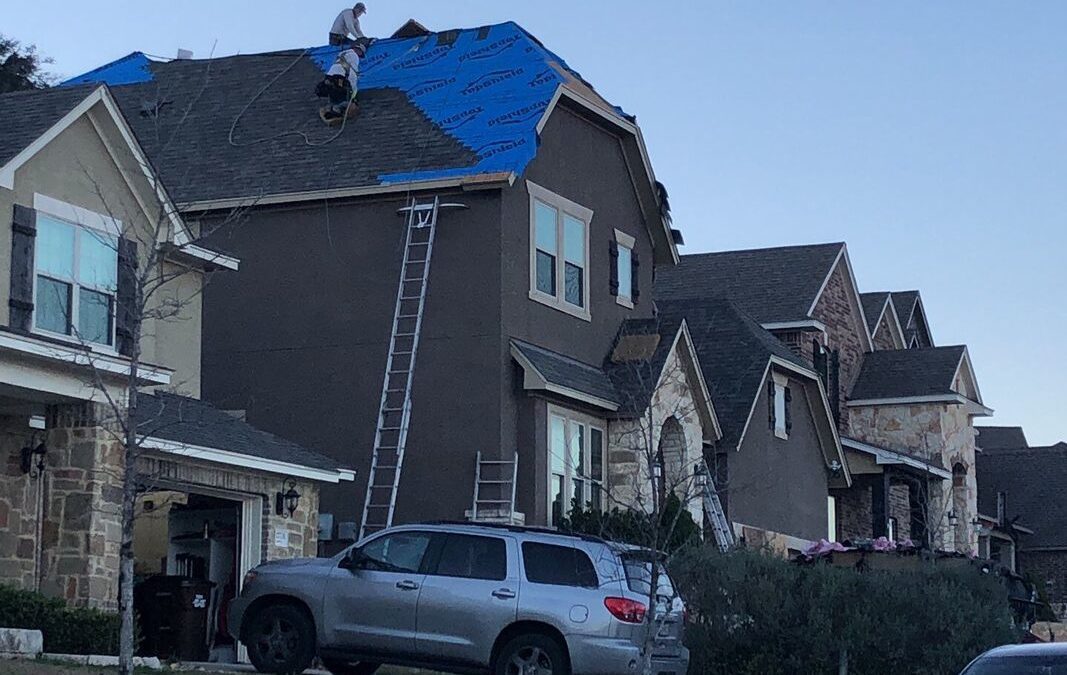
The heart of any roof replacement lies in installing the new roof. The process begins with laying down high-quality underlayment—a water-resistant shield that acts as an extra defense line beneath shingles or panels. Next comes installing flashing around chimneys, vents, and edges where water often tries to sneak in. Finally, skilled roofers lay each shingle or panel carefully according to manufacturer specifications and local building codes. This attention to detail ensures your roof won’t just look good but will last decades while withstanding Texas weather extremes.
Even after installation seems complete, one final safety net remains to confirm everything went perfectly.
A final comprehensive inspection wraps up the process. Experienced inspectors verify that every nail is secure, every seam sealed, and all materials meet quality standards. They also check compliance with city codes and homeowner association requirements if applicable. This step provides peace of mind knowing that your investment is sound and ready for years of service.
“The best roofs aren’t just installed; they are planned, crafted, and checked meticulously.”
Whether you’re replacing a roof on a family home or commercial property in San Antonio, understanding these steps helps you feel confident throughout your project. Choosing a trusted company like DV Roofing — celebrating 28 years serving Texas with BBB A+ rating — means expert guidance at every stage.
For questions or free no-obligation inspections in San Antonio or surrounding areas, don’t hesitate to call their office at 210-556-4402 or email dvroofing@gmail.com.
Your new roof isn’t simply a shelter overhead—it’s protection for your home, family, and peace of mind for years ahead.
Now that you understand how the entire replacement process is structured, it’s important to look closely at how initial inspections are conducted and estimates prepared to ensure transparency and accuracy going forward.
Initial Inspection and Estimate Procedures
When your roofing contractor arrives for the initial inspection, their goal is to gain a clear, comprehensive picture of your roof’s current condition. This means they examine everything from the surface shingles to the underlying structure. They look for telltale signs such as curled or missing shingles, water stains inside your attic, damaged flashing around vents and chimneys, and any sagging areas that might indicate structural problems. The inspector’s trained eye picks up on subtle issues that could develop into major headaches if left untreated.
This examination isn’t just about spotting visible damage. Some problems hide beneath the surface—moisture trapped under shingles or deteriorated decking caused by years of wear can be missed by an untrained eye. DV Roofing’s experienced inspectors use specialized tools like moisture meters and infrared cameras when necessary to detect these hidden defects. This careful approach helps prevent surprises later in the replacement process.
After gathering all this information during the inspection, the next step is preparing a thorough estimate tailored specifically to your roof’s needs.
What to Expect in the Estimate
The estimate you receive will break down each cost component clearly so you understand exactly where your investment is going. It includes pricing for high-quality materials—whether you’ve chosen asphalt shingles, metal roofing, or flat membrane systems—alongside labor expenses reflecting skilled craftsmanship. Beyond these basics, it will also cover any additional repairs discovered during inspection such as replacing rotten wood or upgrading flashing, ensuring those details aren’t overlooked once installation begins.
Transparency is key here. DV Roofing prides itself on providing detailed estimates that clarify timelines and payment schedules upfront with no hidden fees or surprises. This open communication empowers homeowners to budget accordingly and make informed decisions without pressure.
“A good estimate feels less like a bill and more like a roadmap for what’s ahead,” says one seasoned DV Roofing estimator.
Before signing any agreement based on the estimate, take time to ask questions about materials recommended, warranties offered, and project milestones. A reputable contractor welcomes this dialogue—it’s part of building trust that extends through the entire roofing project.
Understanding these important preliminary steps—from thorough inspection to transparent estimates—sets a solid foundation for what comes next: the meticulous process of putting a new roof in place with expert care.
Roof Installation Steps
Installing a new roof is more than just slapping materials onto a house; it requires careful planning, precise execution, and attention to every detail to ensure it withstands Texas weather for decades. The process starts well before any visible work happens, with important preparatory actions that protect your home and property.
Step I – Prep Work
Before any shingles hit the roof, experienced roofing crews—like those at DV Roofing—take time to safeguard your landscaping, patios, driveways, and outdoor furniture by covering them with tarps or protective sheeting. This might seem minor compared to the bigger job ahead, but keeping your yard intact from nails, dust, and debris is essential to preserving your home’s overall condition. It’s a sign of professionalism and respect for your property.
Once these precautions are in place, the real transformation begins with removing the old roofing materials down to the bare decking.
Step II – Roof Removal
Stripping off the old roof means getting rid of worn-out shingles, broken tiles, or metal panels back to the wood deck beneath. This step is critical because it uncovers any hidden damage you wouldn’t have noticed otherwise—rotting wood, moisture issues, or structural weaknesses. At DV Roofing, our trained experts carefully remove layers without causing unnecessary harm to the underlying structure. It’s like peeling away old skin to reveal the body beneath, allowing us to ensure everything underneath is ready for renewal.
Once we strip away the old roofing materials, we don’t rush; instead, we thoroughly inspect and prepare the decking.
Step III – Deck Preparation
The decking is the foundation for your entire roof system. If it’s damaged or compromised by rot or mold, no amount of new material will fix leaks or withstand storms properly. Our teams meticulously examine every inch of decking for signs of wear or weakness. Damaged sections are replaced promptly with quality plywood or OSB (Oriented Strand Board), ensuring a flat and sturdy surface. This preparation sets the stage for a strong bond between underlayment and roofing material that can last 20 years or more.
With a solid deck in place, it’s time to add vital layers that enhance waterproofing and prevent future issues.
Step IV – Underlayment & Flashing
The underlayment acts as a secondary shield beneath your roofing material—think of it as an insurance policy against water infiltration during heavy rain or ice buildup. Many homeowners underestimate its importance, but at DV Roofing, we use premium synthetic underlayments designed for superior durability and breathability compared to traditional felt paper.
Alongside this, flashing—thin strips of metal—is installed around chimneys, skylights, vents, valleys, and edges where water might sneak in. Properly installed flashing is key to preventing leaks and costly water damage inside your home.
Now fortified with these protective layers, your new roof’s outer shell can finally be applied.
Step V – Installing Roofing Material
Whether you choose architectural shingles known for their longevity and wind resistance or sleek metal panels ideal for durability and energy efficiency, installation must be done with precision.
Experienced installers follow manufacturer guidelines closely—for instance, aligning shingles meticulously to avoid gaps or overlapping errors that could invite leaks. Fastening is equally critical: using corrosion-resistant nails placed just right ensures stability against Texas winds while maintaining aesthetic appeal. During this phase, each section takes shape into a formidable barrier against weather elements—a true shield crafted by seasoned hands.
Once all roofing materials are in place comes the moment to tie everything together neatly and leave no trace behind except a brand-new roof.
Step VI – Finishing Touches & Cleanup
The last phase includes installing ridge caps that cover peak seams where two roof planes meet; these caps prevent water penetration and give your roof a polished look.
Vents are fitted to allow proper attic ventilation, crucial in Texas climates to reduce heat buildup and moisture accumulation which can degrade roofing materials prematurely.
Finally comes cleanup: every stray nail is swept up diligently using magnets; debris cleared from yards and gutters; protective coverings removed carefully without disturbing plants or walkways. A final walkthrough ensures every detail meets strict quality standards—a finishing touch reflecting DV Roofing’s commitment to craftsmanship.
“A top-quality roof isn’t just about what you can see—it’s built on hidden layers of protection and skilled execution.”
For residents across San Antonio and surrounding Hill Country areas choosing DV Roofing means entrusting these steps to experts who honor both tradition and innovation in roofing practices. Routine inspections after installation help maintain your investment long-term by catching small issues before they become big problems.
If you’re considering replacing your roof or want a free inspection anywhere from San Antonio and Boerne to Austin or Temple, call DV Roofing at one of our offices today or email us at dvroofing@gmail.com for prompt service backed by nearly three decades of Texas roofing expertise.
Understanding how detailed each phase of roof installation is helps frame the next step: evaluating what costs surround such intricate work and how you can plan effectively for them.
Estimating Roof Replacement Costs
Roof replacement costs can fluctuate quite a bit, and that’s because there are multiple factors at play. You might initially think it’s just about paying for new materials and labor, but the size of your roof, its complexity, the type of roofing material, and even where you live in Texas all impact the final number. Grasping these factors beforehand lets you budget more realistically and avoid surprises down the road.
One major cost driver is the size of your roof—larger roofs need more materials and labor hours, so naturally, they cost more. But complexity matters too. A simple rectangular roof won’t cost as much as one with multiple angles, skylights, chimneys, or steep pitches. These features can demand specialized labor and extra safety precautions that raise expenses.
Then, there’s the choice of materials. Asphalt shingles remain popular due to their affordability—they generally range between $3 and $5 per square foot installed. Metal roofing brings durability and energy efficiency but pushes costs up to $7 to $12 per square foot. Tile roofing offers beauty and longevity with prices stretching from $10 to $18 or more per square foot. Picking the right material balances aesthetics, performance needs, and budget.
Labor costs also vary widely across different cities in Texas. San Antonio’s rates might differ slightly from Waco or Corpus Christi depending on local demand for skilled roofers. It’s important to factor in this geographic element since it influences what you’ll actually pay for professional installation.
Beyond these basics, don’t overlook additional expenses like building permits mandated by San Antonio authorities or fees associated with removing your old roof. Sometimes hidden damage underneath shingles requires repairs before new materials go down—that too can add to your bill unexpectedly if not identified early during an inspection.
| Cost Factor | Impact on Price | Notes |
|---|---|---|
| Roof Size & Complexity | Larger or complex jobs cost more | Custom shapes or multiple levels increase labor |
| Material Type | Asphalt <$ Metal <$ Tile | Longevity and aesthetic benefits correlate with price |
| Labor Rates | Varies by region | Skilled labor commands premium in urban areas |
| Permit & Disposal Fees | Fixed or percentage costs | Required by local law; ensures compliance |
| Additional Repairs | Unpredictable; can increase total significantly | Hidden damage often found post tear-off |
A rough rule of thumb for San Antonio homeowners shows that a complete roof replacement can run anywhere from $5,000 on simpler small homes with asphalt shingles up to $15,000 or more for larger houses using premium materials like tile or standing seam metal roofs. Knowing this range will help guide conversations when requesting free quotes from reputable contractors like DV Roofing who prioritize transparency.
Remember, obtaining a free roof inspection is the best first step before any replacement project to pinpoint necessary repairs and get a tailored estimate based on your home’s unique characteristics. This proactive approach often uncovers issues early, ensuring you’re prepared financially and securing lasting protection for your investment.
Having a solid grasp on costs positions you well to make informed decisions on materials that suit both your budget and style preferences. Next, we explore how selecting the right roofing components plays a crucial role in protecting your home long-term.
Selecting the Best Roofing Materials
Choosing roofing materials isn’t simply about picking what looks good or fits into your budget today; it’s about envisioning how that roof will protect your home for decades to come. In San Antonio’s climate—where blistering sun, heavy rains, and occasional storms are realities—your roof needs to endure and perform efficiently. This means balancing durability, aesthetics, energy efficiency, and cost-effectiveness when selecting from the most common roofing materials.
Asphalt Shingles
Asphalt shingles remain the top choice for many homeowners due to their affordability and versatility. Available in countless styles and colors, asphalt shingles can complement almost any home’s exterior while providing reliable protection. Their typical lifespan of 20 to 30 years is sufficient for many households, especially when paired with professional installation and regular inspections like those DV Roofing offers.
Plus, maintenance tends to be straightforward if small repairs are needed along the way. However, keep in mind they may not fare as well under extreme weather conditions over time compared to more robust options.
Metal Roofing
Metal roofing shines for those who want a long-lasting investment combined with exceptional resilience. With lifespans ranging from 40 to 70 years, metal roofs stand up well against hail, high winds, and even fire hazards.
They also offer remarkable energy efficiency by reflecting heat away from your home—crucial during San Antonio’s scorching summers. While upfront costs for metal roofing are higher than asphalt shingles, the reduced maintenance requirements and longevity often make it an economically wise choice over the long term.
DV Roofing specializes in installing high-quality metal options like standing seam or R-panel roofing, ensuring you get both value and durability.
Tile and Slate
When it comes to luxury and longevity, tile and slate roofs are unmatched. These materials deliver a striking appearance that enhances curb appeal while easily lasting over 50 years when properly maintained.
The weight of tile and slate demands strong structural support, so older homes might require reinforcement before installation. Additionally, replacement costs are higher due to material expenses and skilled labor required for these specialized roofs.
Still, investing in tile or slate often pays off in added property value and enduring beauty. If you’re looking for a timeless statement piece on your home that outperforms most other options in lifespan, this is it.
Cool Roofs
Energy efficiency is no longer an afterthought—it’s a necessity for homes in hot climates like San Antonio’s. Cool roofs use reflective coatings or materials designed to bounce sunlight rather than absorb it.
This reduces attic temperatures dramatically and lowers cooling costs throughout the summer months. Many cool roof products integrate seamlessly with asphalt or metal roofs without compromising durability or aesthetics.
Choosing a cool roof can contribute to lowering your household’s carbon footprint while giving you a more comfortable living environment year-round.
Here’s a quick overview of these roofing choices:
| Material | Lifespan | Cost Range | Key Advantage | Notes |
|---|---|---|---|---|
| Asphalt Shingles | 20-30 years | Low | Affordability & wide style range | Requires periodic maintenance |
| Metal Roofing | 40-70 years | Medium-High | Longevity & weather resistance | Higher initial cost but durable |
| Tile & Slate | 50+ years | High | Luxurious appearance & durability | Heavy; may require structural support |
| Cool Roofs | Varies (coating) | Low-Medium | Energy efficiency | Can be combined with other materials |
Having examined various roofing materials suited for San Antonio’s unique environment, it’s important to understand the benefits a timely roof replacement can bring to your home’s durability and comfort.
Advantages of Replacing Your Roof in San Antonio
Replacing your roof is more than just a cosmetic upgrade—it’s a critical investment that safeguards your home while enhancing its efficiency and value. In San Antonio’s challenging climate, where intense summer heat and sudden storms are common, an outdated or damaged roof can quickly become a liability rather than a protective barrier.
One of the foremost benefits you’ll notice is improved energy efficiency. Modern roofing materials are designed to reflect more sunlight and absorb less heat than older roofs. This helps keep your home cooler during those scorching Texas summers, meaning your air conditioning system doesn’t have to work as hard. Over time, this translates into noticeable savings on utility bills—sometimes as much as 15%. Investing in energy-efficient shingles or metal roofing can pay dividends well beyond the initial installation cost.
Beyond energy savings, a new roof provides increased durability and protection, especially vital for San Antonio homeowners facing harsh weather conditions. Storms here can bring damaging hail and high winds that rapidly degrade older roofs. New roofs incorporate advanced materials engineered to withstand these elements better, reducing the risk of leaks or structural damage inside your home. This kind of resilience not only preserves the integrity of your house but also spares you costly emergency repairs down the line.
Another angle worth noting is how a roof replacement can impact your home’s market value. If you’re considering selling your property or simply want to enhance its overall worth, a fresh roof sends a strong message to buyers about the home’s upkeep and longevity. Studies indicate that homes with new roofs can gain an average of $12,000 or more in added value. This boost is not just from sheer looks—investors know that a quality roof protects their investment from future headaches.
Finally, replacing your roof offers priceless peace of mind. Knowing you have a sturdy, dependable barrier between your family and unpredictable weather brings comfort that is hard to quantify but easy to appreciate during storm season or intense heatwaves.
“A new roof isn’t just about shelter – it’s about security, efficiency, and enhancing your home’s overall health.”
Given these substantial benefits—from saving on energy costs and increasing property value to safeguarding against weather damage—a timely roof replacement in San Antonio is truly an investment in both current comfort and long-term financial security.
Investing in a quality roof replacement enhances every aspect of homeownership, delivering measurable savings and lasting protection. For homeowners in San Antonio, it’s a proactive step toward preserving both comfort and asset value for years to come.
Recent Comments